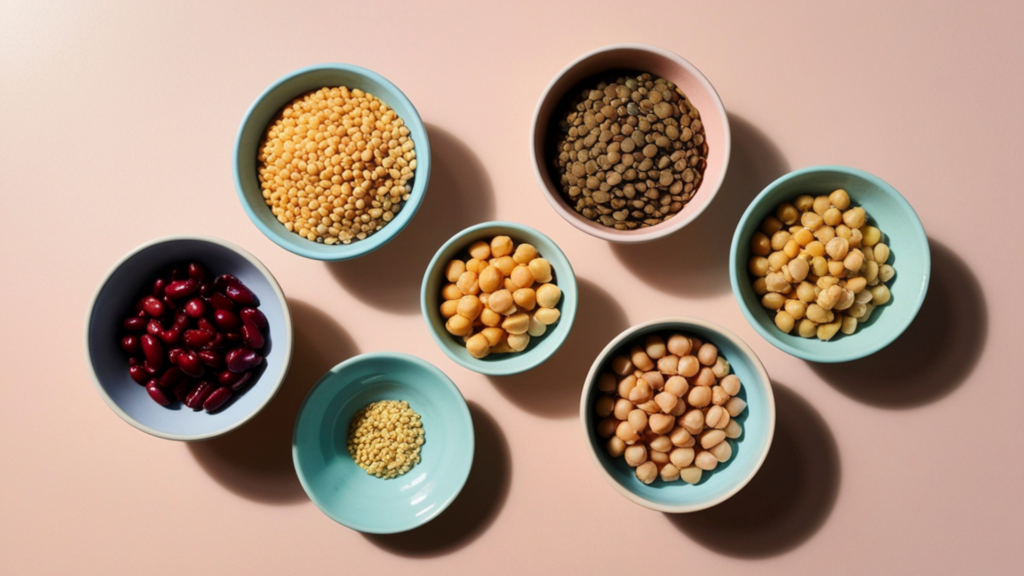
Beans are a wonderful way to add high-quality plant-based protein to your diet. They are rich in iron, B vitamins, and fiber, and they work well in a wide variety of everyday meals.
Learning how to cook dried beans correctly makes them easier to digest and much more flavorful. With proper soaking, cooking, and seasoning, you can improve nutrient absorption and reduce common digestive issues like gas and bloating.
If you’re working on improving digestion and gut health, having the right support can make the process much easier. You can start here:
Dry beans also store well when kept in a cool, dark place. Avoid using beans that are more than a year old, as they lose nutrients, become harder to digest, and may not soften properly during cooking.
Step-by-Step Guide: How to Cook Dried Beans
Follow these simple steps to prepare dried beans properly.
1. Sort and Rinse the Beans
Before cooking:
- Check for small rocks or debris
- Remove shriveled or broken beans
- Rinse thoroughly under cold water
This step helps ensure even cooking and better quality.
2. Soak the Beans
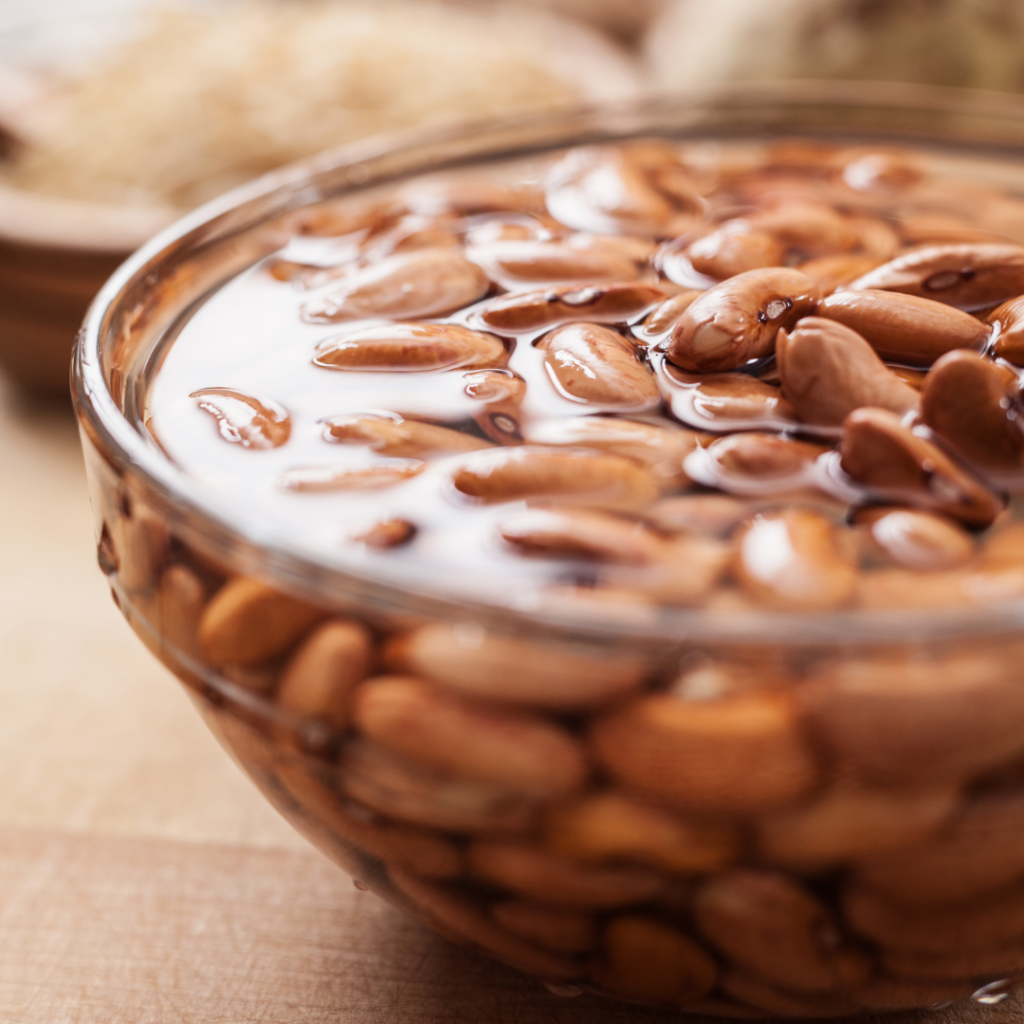
Soaking improves both digestion and cooking time.
- Cover beans with water about 4 inches above
- Soak for 6 hours or overnight
- Smaller beans may only need 4 hours
Quick soak method (If you forgot to soak):
- Bring beans to a boil in plenty of water
- Turn off the heat
- Cover and let sit for one hour
3. Drain and Rinse
After soaking:
- Drain the soaking water
- Rinse the beans again
- Remove any loose skins
Discarding the soaking water helps remove compounds that may cause digestive discomfort.
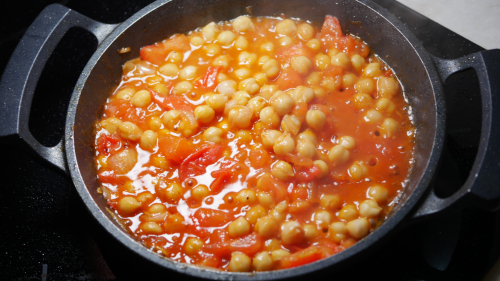
4. Cook the Beans
Place the beans in a heavy pot and add:
- 3–4 cups fresh water
Then:
- Bring to a full boil
- Skim off any foam
Add flavor and digestion-supporting ingredients such as:
- A small piece of kombu (seaweed)
- Bay leaves
- Garlic cloves
Lower the heat, cover, and simmer gently. Check the beans about 30 minutes before the suggested cooking time. Beans are ready when the center is soft and easy to squeeze.
5. Add Salt Near the End
About 10 minutes before the beans are done, add:
- 1 teaspoon unrefined sea salt
Adding salt too early can prevent beans from softening properly. Continue cooking until fully tender.
As you begin incorporating beans into your routine, personalized guidance can help you better understand what works for your digestion.
Tips to Improve Bean Digestibility
Some people experience gas or digestive discomfort when eating beans and legumes. Fortunately, proper preparation makes a big difference.
Preparation Techniques
To make beans easier to digest:
- Soak beans overnight
- Use a pressure cooker to reduce cooking time
- Chew thoroughly
- Start with small portions
Smaller legumes tend to digest more easily, including:
- Adzuki beans
- Lentils
- Mung beans
- Peas
Beans that may be harder to digest include:
- Pinto beans
- Kidney beans
- Navy beans
- Chickpeas (garbanzo beans)
- Lima beans
- Black beans
Soybeans and black soybeans are typically the most difficult to digest.
Use Digestive Spices
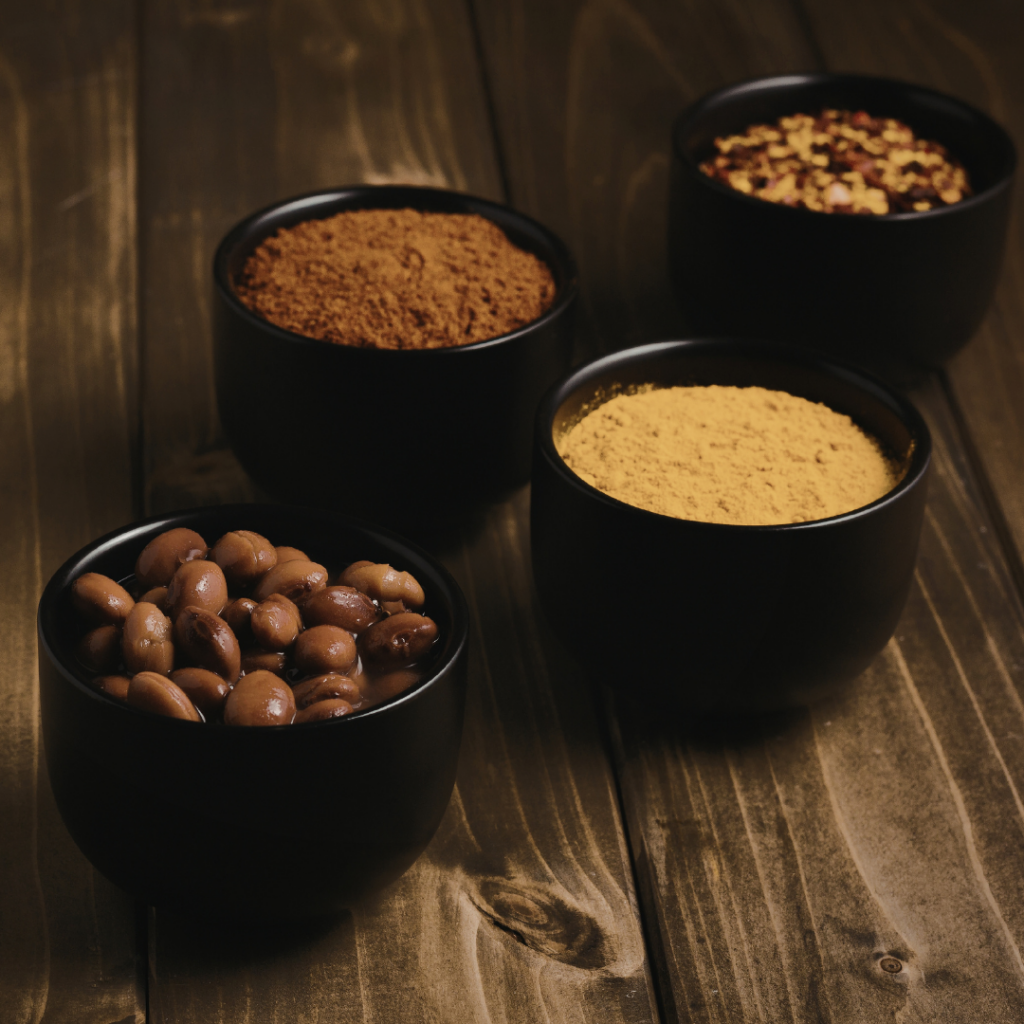
Adding certain herbs and spices can help reduce gas:
- Fennel
- Cumin
These are best added toward the end of cooking.
Add Sea Vegetables
Adding kombu or kelp during cooking can:
- Improve flavor
- Add minerals
- Support digestion
- Reduce cooking time
Sea vegetables help break down compounds that make beans harder to digest.
Add Vinegar at the End
Near the end of cooking, add a small amount of:
- Apple cider vinegar
- Brown rice vinegar
- White wine vinegar
This helps:
- Soften the beans
- Break down protein chains
- Reduce indigestible compounds
Research supports that proper soaking and cooking can reduce compounds like phytates and lectins that may interfere with digestion and mineral absorption:
Beans and a Gut-Friendly Diet
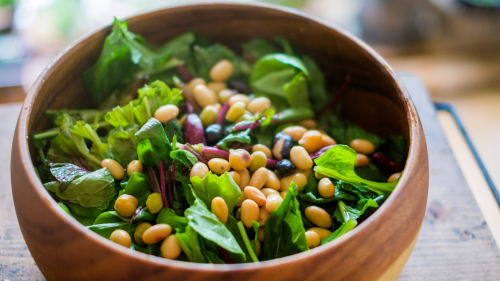
Beans can be a valuable part of a gut-supportive diet when prepared properly. Their fiber helps feed beneficial gut bacteria and supports overall digestive health.
If you’re looking for more ways to incorporate gut-friendly meals, you can explore:
For deeper support, working one-on-one can help you identify the best foods and habits for your body and digestion.