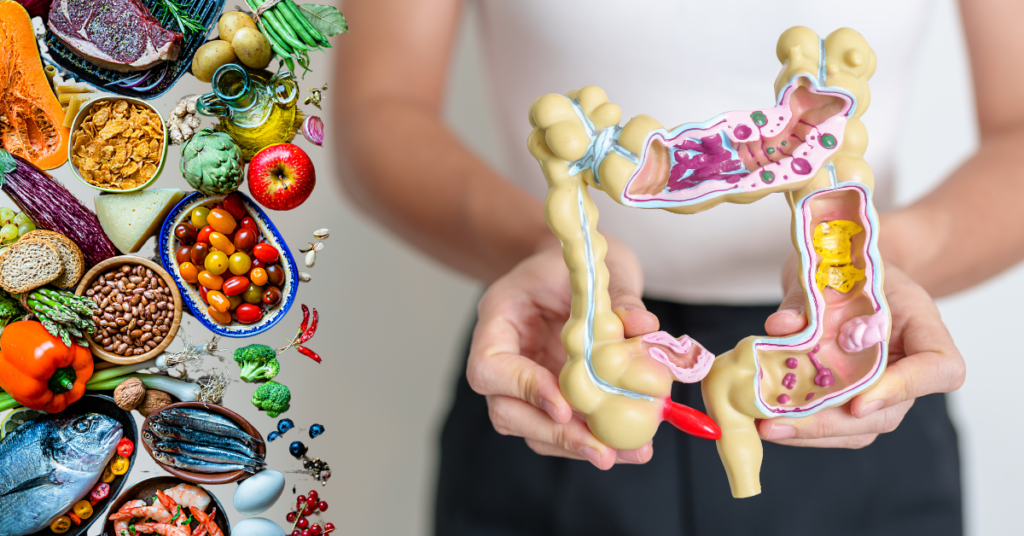
A bowel transit time test measures how long it takes for food to travel through your digestive system. Understanding your transit time can help identify digestive issues like constipation or diarrhea, nutrient absorption problems, and overall gut health concerns. By tracking bowel movements, stool consistency, and transit speed, you gain actionable insights to support digestive function.
What Is a Bowel Transit Time Test?
Bowel transit time refers to the duration food travels from the start of your digestive tract to the end. On average, this can range between 12 and 72 hours. Ideally, bowel movements occur daily, with a target transit time of 18–24 hours.
Why It Matters:
-
Too fast (<12 hours): May indicate diarrhea, poor nutrient absorption, or a highly digestible diet.
-
Optimal (18–24 hours): Supports proper nutrient absorption, stool consistency, and healthy gut function.
-
Too slow (>30 hours): Could cause constipation, discomfort, and reabsorption of toxins.
Factors affecting transit time include diet, fiber intake, hydration, stress, activity level, medications, digestive secretions, and gut microbiome balance.
For practical meal ideas to support transit time, see our Digestion-Friendly Recipe Bundle
How to Perform a Bowel Transit Time Test
Step 1: Choose a Marker
Select a visible item that will pass through your stool:
- Two red beets – natural and easy to track.
- Four charcoal capsules – dark color contrasts with stool.
- Two tablespoons (30 ml) liquid chlorophyll – easy to detect.
- Two tablespoons (20 g) poorly chewed corn kernels – resistant to digestion.
- Two tablespoons (20 g) white sesame seeds – simple and effective.
Step 2: Ingest and Track the Marker
- Take the marker after your first bowel movement of the day.
- Record the time, your meals, physical activity, and stress levels in a tracking form.
- Check your stool at each subsequent bowel movement for the marker.
- Note when the marker first appears—this is your initial transit time.
- Continue tracking to see when the marker fully passes.
Step 3: Retest to Refine Accuracy
- On the next day, wait about 4 hours after your first bowel movement and take the marker again.
- Observe the stool and record when it appears.
- If needed, repeat a third time, adjusting the marker ingestion to tighten the timing.
- The goal is to confirm a consistent transit time by noting the first appearance and complete passage of the marker.
Tip: Tracking multiple days helps account for natural daily variations and gives a more accurate measure of your digestive transit.
Not sure what’s triggering your symptoms?
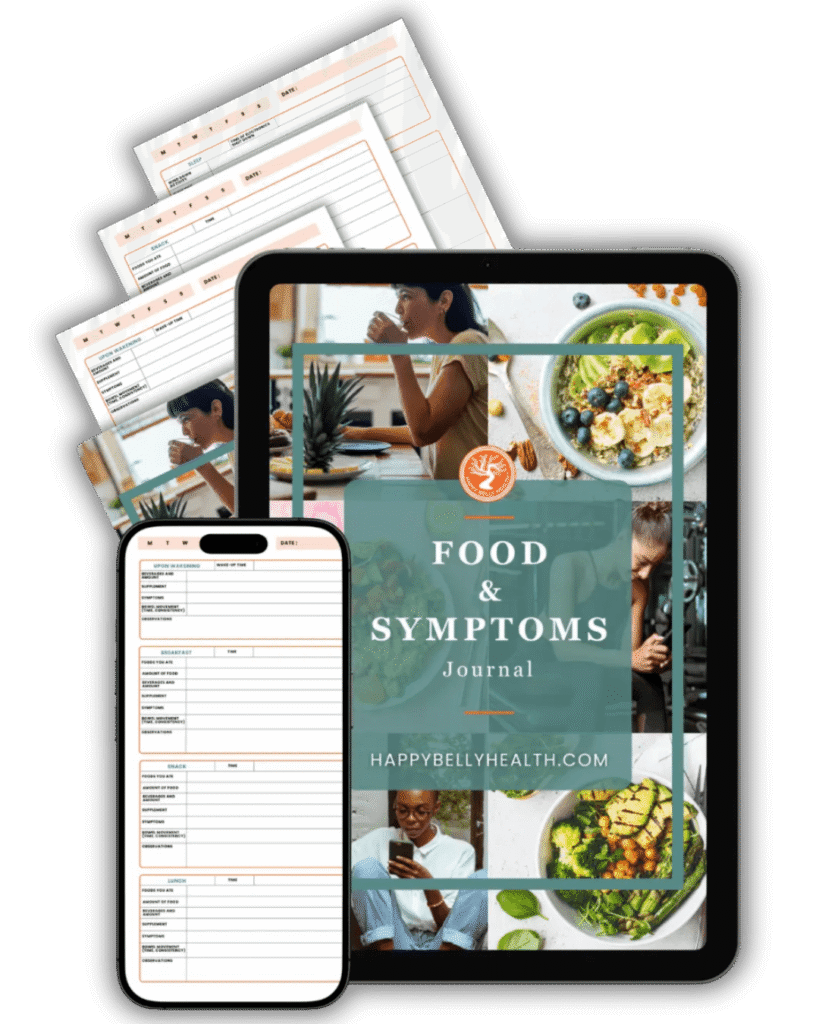
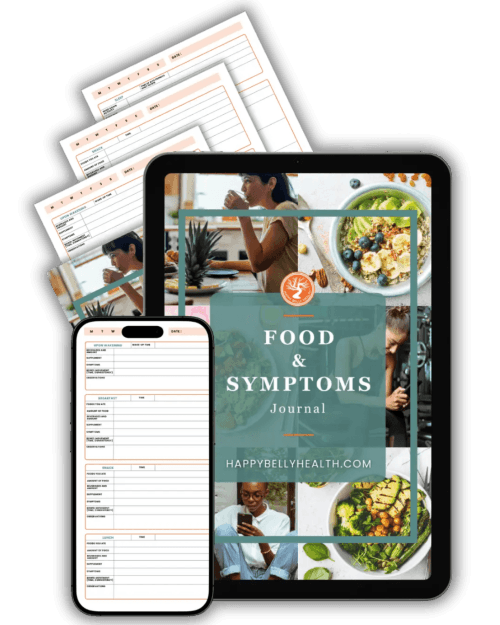
Download the free Food & Symptom Journal and start tracking food, digestion, energy, bloating, cravings, and patterns in just 5 minutes a day.
Interpreting Your Results
- Fast Transit (<12 hours): May indicate diarrhea, malabsorption, or a highly digestible diet. Monitor symptoms and adjust fiber intake.
- Optimal Transit (18–24 hours): Indicates healthy digestion and proper nutrient absorption.
- Slow Transit (>30 hours): Could signal constipation or slow gastrointestinal motility. Consider hydration, fiber, and activity adjustments.
Track additional clues like stool color, texture, odor, and undigested food to get a more complete picture of digestive health.
Reference for scientific background: Gastrointestinal Transit Study
Transit Time Detail Record
| 1st marker | 2nd marker | 3rd marker | |
| Marker used | |||
| Time in | |||
| Time first appears | |||
| Time completely clears | |||
| Transit time = (time in – time first appears) | |||
| Diet details (quantity liquids, types of foods, etc) | |||
| Exercise and activity details | |||
| Stress levels, 1-10 (include highest & lowest scores for the day) |
Tips to Support Healthy Transit Time
- Eat a fiber-rich diet: Fruits, vegetables, and whole grains help keep transit time in the optimal range.
- Hydrate between meals: Proper hydration supports smooth digestion and stool consistency.
- Include gut-friendly meals: Try our Digestion-Friendly Recipe Bundle for meals that promote digestive function.
- Manage stress: Relaxation techniques, meditation, or light exercise can improve transit time.
- Stay active: Regular movement helps stimulate healthy bowel function.
Wellness Takeaway
Tracking your bowel transit time can give valuable insights into your digestive health. Combine this with fiber-rich foods, hydration, and gut-friendly meals from our Digestion-Friendly Recipe Bundle to support digestion. Pay attention to stool color, texture, and consistency, and adopt healthy lifestyle habits like regular exercise, stress management, and mindful eating. Over time, these steps can help improve bowel function, nutrient absorption, and overall wellness.