Prediabetes Nutritionist in San Francisco, CA

San Fransisco Prediabetes Nutrition Plans that help reverse prediabetes and protect your future health before diabetes can develop

A SF Prediabetes Nutritionist That Supports You

A prediabetes diagnosis can feel alarming, but it can also be a powerful invitation to intervene early.

I help you understand the bigger metabolic picture and make practical nutrition and lifestyle shifts that support blood sugar balance without fear, overwhelm, or rigid dieting.

San Francisco Prediabetes Nutrition Plans Personilized For You

There is no single protocol I apply to every client because metabolic struggles rarely have one cause.

For some the missing piece is blood sugar regulation.

For others it’s digestion, stress physiology, inflammation, hormone shifts, undernourishment, sleep, or a nervous system stuck in survival mode.

We look at the full picture and create tailored recommendations based on what your body needs.

Because lasting metabolic change is often a side effect of restoring balance — not forcing harder.

Related Metabolic Conditions

Explore my broader weight loss and metabolic health page, or learn about insulin resistance and type 2 diabetes nutrition support.

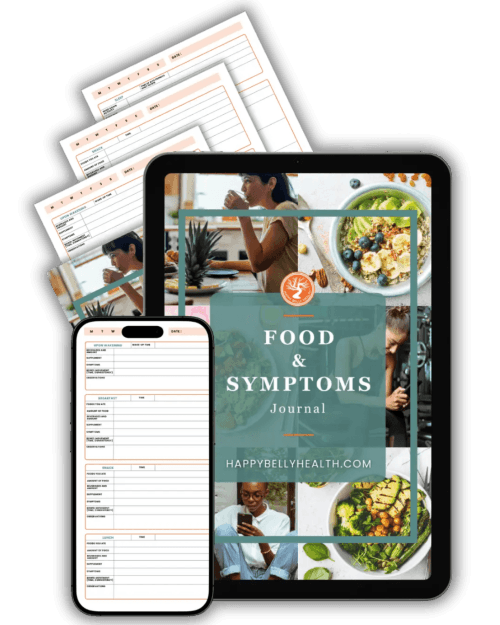
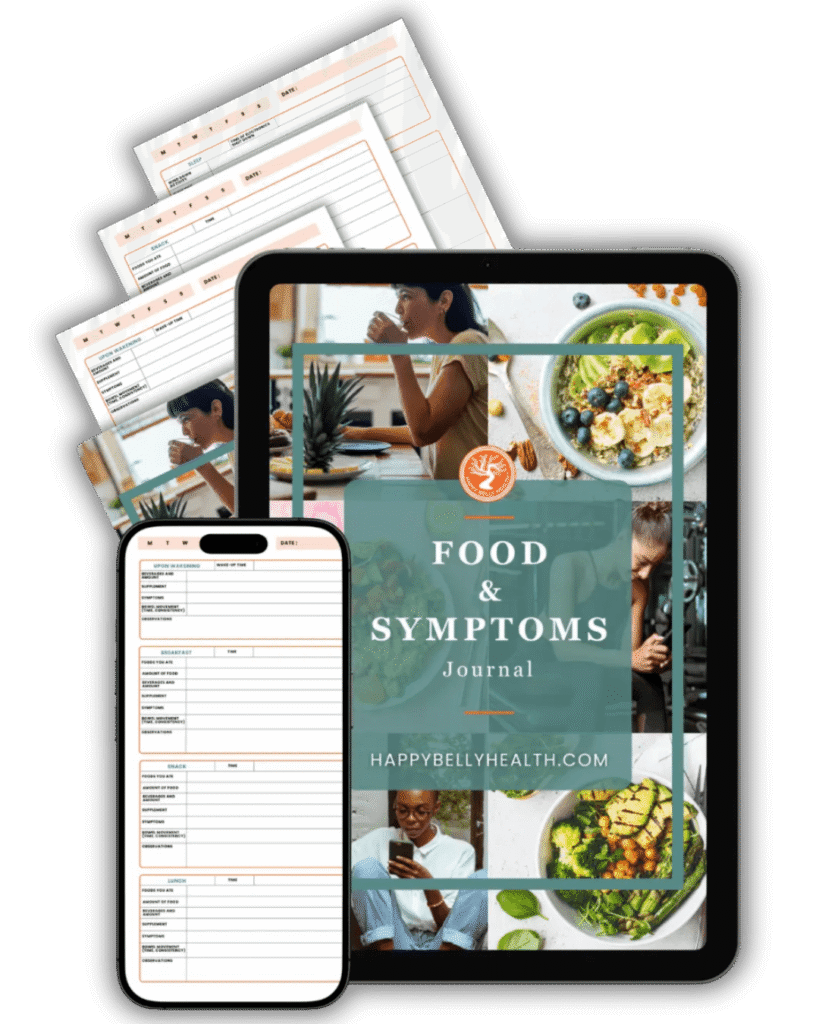
Track meals, energy, cravings, and discover patterns.

Blood sugar, cravings, energy dips, and hunger patterns can all offer clues. Use the free Food & Symptom Journal to start noticing how meals and daily habits affect how you feel.

Why People Trust Happy Belly Health

San Francisco Prediabetes Nutrition Coaching - My Unique Approach

Tailored to You, Not a Template

I tailor every plan to the individual. You won't get a standardized protocol pulled off a shelf.

Different From What You'd Get Elsewhere

Unlike the generic protocols typically handed out by a naturopath or doctor, your plan is built specifically around your body, history, and goals.

Sustainable, Real-Life Strategies

Practical changes that fit your life — not fad diets or rigid rules you can't maintain.

Direct & Supportive Style

Sensitive to what's unsaid, direct with what needs to be said.

Qualified & Experienced

Prediabetes Nutritionist FAQ

Prediabetes is a warning sign that your body is having a harder time regulating blood sugar.

While many people think prediabetes is simply “almost diabetes,” it actually reflects deeper metabolic changes that often begin years before a diagnosis. In most cases, insulin levels become elevated long before blood sugar rises enough to be flagged by a doctor.

Many of the women I work with don’t seek help because they’re worried about diabetes. They seek help because they feel tired, foggy, frustrated, inflamed, and stuck.

Common signs of prediabetes can include:

  • Stubborn weight gain
  • Increased belly fat
  • Brain fog
  • Sugar and carbohydrate cravings
  • Frequent hunger
  • Afternoon energy crashes
  • Poor sleep
  • Fatigue during exercise
  • Increased inflammation
  • Difficulty losing weight despite eating healthy

The good news is that prediabetes is often reversible when the underlying causes are addressed.

In many cases, yes.

The body has an incredible ability to heal when we provide the right environment and support.

Rather than focusing solely on lowering blood sugar, I help clients improve insulin sensitivity, reduce inflammation, optimize nutrition, improve sleep, manage stress, build muscle, and create sustainable habits that support long-term metabolic health.

Many clients begin noticing improvements in energy, cravings, digestion, sleep, mood, and mental clarity before their blood sugar markers even change.

I don’t believe your body is broken.

I believe your body is communicating.

Prediabetes is often one of the ways the body signals that something needs attention. When we understand those signals and respond appropriately, meaningful improvements are often possible.

Many people are surprised to learn that prediabetes often causes symptoms long before it becomes a diabetes diagnosis.

Some of the most common warning signs include:

  • Feeling tired after meals
  • Brain fog and difficulty concentrating
  • Increased hunger
  • Frequent snacking
  • Sugar or carbohydrate cravings
  • Weight gain around the midsection
  • Difficulty losing weight
  • Fatigue during workouts
  • Poor recovery from exercise
  • Irritability or feeling “hangry”
  • Waking during the night
  • Increased anxiety or overwhelm

These symptoms are often signals that blood sugar and insulin regulation are no longer working optimally.

This is one of the most common questions I hear.

Many of my clients are highly successful women who already know what healthy foods are. They’ve tried eating less, exercising more, avoiding sugar, and following various diets.

Yet they still struggle with weight gain, low energy, cravings, and elevated blood sugar.

Prediabetes is rarely caused by a single food or a lack of willpower. It often develops due to a combination of factors, including:

  • Chronic stress
  • Poor sleep
  • Hormonal changes
  • Insulin resistance
  • Loss of muscle mass
  • Digestive issues
  • Years of dieting
  • Nutrient deficiencies
  • Sedentary lifestyle

Understanding how your body works is often more important than simply trying harder.

Prediabetes doesn’t just affect blood sugar.

Chronically elevated blood sugar and insulin levels can contribute to ongoing inflammation throughout the body. Many people experience this as:

  • Fatigue during exercise
  • Longer recovery times
  • Afternoon energy crashes
  • Brain fog
  • Joint discomfort
  • Feeling older than they should

When insulin levels are elevated, the body may have a harder time accessing stored body fat for fuel. This can leave you feeling hungry, tired, and dependent on frequent eating for energy.

As metabolic health improves, many clients notice they have more stamina, better recovery, more consistent energy, and a greater ability to exercise without feeling completely drained.

Many people assume prediabetes only affects people who crave sugar.

In reality, many of my clients tell me they don’t even like sweets.

Instead, they crave:

  • Bread
  • Chips
  • Crackers
  • Pasta
  • Rice
  • Tortillas
  • Granola
  • Cereal
  • Salty snacks

These foods are carbohydrates that are broken down into glucose and can affect blood sugar levels just like sugary foods.

When insulin and hunger signals become dysregulated, the body often struggles to access stored energy efficiently. As a result, you may:

  • Feel hungry shortly after eating
  • Need snacks to get through the day
  • Think about food constantly
  • Feel irritable when meals are delayed
  • Experience strong cravings

One of the most rewarding changes clients experience is freedom from this cycle.

As insulin sensitivity improves, many people notice:

  • Fewer cravings
  • Less interest in snacking
  • Better satisfaction after meals
  • More stable energy
  • Reduced food obsession
  • Greater confidence going several hours without eating

This isn’t about willpower. It’s often a sign that your body’s hunger and energy signals are finally working the way they’re supposed to.

Absolutely.

Blood sugar regulation affects far more than metabolism.

Many clients are surprised to learn that unstable blood sugar can contribute to:

  • Anxiety
  • Irritability
  • Mood swings
  • Feeling overwhelmed
  • Difficulty concentrating
  • Poor sleep quality
  • Waking during the night

When blood sugar rises and falls dramatically throughout the day, it can create stress within the body that affects hormones, neurotransmitters, energy production, and sleep.

As blood sugar becomes more stable, clients often report:

  • Better sleep
  • Improved mood
  • Less anxiety
  • More patience
  • Better focus
  • Increased emotional resilience

Many also notice they no longer feel controlled by cravings, hunger, or the constant need to snack.

I commonly review:

  • Hemoglobin A1c
  • Fasting glucose
  • Fasting insulin
  • Triglycerides
  • HDL cholesterol
  • Liver enzymes
  • Thyroid markers
  • Inflammatory markers

I also look beyond whether a value falls inside a broad laboratory reference range.

Many clients have been told their labs are “normal” despite experiencing symptoms. Looking at optimal ranges and patterns often provides valuable insight into metabolic health long before diabetes develops.

Rather than focusing on restriction, I focus on nourishment.

For many clients, this means prioritizing:

  • Adequate protein
  • Healthy fats
  • Nutrient-dense whole foods
  • Mineral-rich foods
  • Strategic carbohydrate choices
  • Consistent meal timing

The goal isn’t perfection.

The goal is helping your body receive the nutrients and signals it needs to regulate blood sugar, reduce cravings, improve energy, and support a healthy metabolism.

In many cases, yes.

Many people are surprised to learn that prediabetes often develops years after insulin resistance has already begun.

By supporting insulin sensitivity, blood sugar regulation, sleep, stress resilience, muscle mass, and overall metabolic health, many people are able to improve—or even reverse—prediabetes.

My goal isn’t simply to lower your blood sugar.

My goal is to help your body function the way it was designed to.

This is one of the most common questions I hear.

Many of my clients are considering a GLP-1 medication because they’re frustrated by weight gain, cravings, elevated blood sugar, or a recent prediabetes diagnosis. At the same time, many would prefer to avoid medication if possible.

The truth is that GLP-1 medications can be incredibly helpful for some people.

For others, improving nutrition, blood sugar regulation, sleep, stress resilience, muscle mass, and metabolic health may create significant improvements without medication.

My role isn’t to tell you what decision to make.

My role is to help you understand your options and build the strongest metabolic foundation possible.

Whether you choose a GLP-1 medication or not, your body still needs:

  • Adequate protein
  • Strength training and muscle preservation
  • Quality sleep
  • Stress management
  • Nutrient-dense foods
  • Healthy digestion
  • Stable blood sugar regulation

The goal isn’t simply lowering your A1c.

The goal is becoming healthier, stronger, and more metabolically resilient.

Absolutely.

Many clients come to me while taking medications such as Ozempic, Wegovy, Mounjaro, or Zepbound.

One of my biggest concerns during rapid weight loss is helping clients preserve muscle, maintain adequate protein intake, support digestion, and build habits that will serve them long after the medication is stopped.

The goal isn’t simply losing weight.

The goal is improving metabolic health.

I help clients focus on the foundations that continue to matter whether they’re taking a medication or not:

  • Protein intake
  • Muscle preservation
  • Blood sugar regulation
  • Sleep
  • Digestion
  • Energy
  • Long-term sustainability

Most of my clients already know they should eat less sugar.

What they don’t understand is why they’re still struggling with cravings, weight gain, fatigue, poor sleep, brain fog, inflammation, and elevated blood sugar despite trying to eat healthy.

I understand how frustrating that can be.

My own health journey led me to specialize in gut health and metabolic health, and it’s one of the reasons I founded Happy Belly Health in 2010.

Over the years, I’ve worked with countless clients who felt stuck between generic nutrition advice and the real-world challenges of changing how they eat and live.

My approach focuses on improving insulin sensitivity, supporting healthy metabolic signaling, reducing inflammation, and helping you create sustainable habits that align with the healthy, energetic person you want to become.

I often talk about loving discipline—making choices that support your future self rather than relying on willpower, guilt, or perfection.

This isn’t another restrictive diet.

It’s a personalized approach that helps you understand your body, trust its signals, and create lasting changes that support both blood sugar balance and overall health.

I don’t believe your body is broken.

I believe your body is communicating.

My role is to help you understand those signals and create the environment your body needs to heal.

Prediabetes is often the result of years of metabolic dysfunction, not a lack of motivation.

Working with a San Francisco prediabetes nutritionist can help you understand the root causes behind elevated blood sugar, insulin resistance, cravings, fatigue, weight gain, and inflammation.

At Happy Belly Health, I provide personalized nutrition counseling and health coaching designed to help you improve blood sugar regulation, reduce your risk of developing type 2 diabetes, and build a healthier relationship with food and your body.

Whether you’ve recently been diagnosed with prediabetes or have been struggling with blood sugar issues for years, the goal is the same: helping you feel energized, confident, and in control of your health again.

Ready for personalized one-on-one coaching?

Let’s uncover what’s really driving your symptoms and build a plan that fits your life.

Discover What’s Actually Driving Your Symptoms

Track what matters using this 5-minute daily journal and uncover the root cause of bloating, low energy, digestion issues, and stubborn weight—in just 7 days