What is Acid Reflux?
- The lower esophageal sphincter (LES) is a small, muscular tunnel at the end of your esophagus.
- Acid Reflux acts like a fist: open and loose when eating, and tightly closed otherwise.
- Acid reflux occurs when the LES is too loose, allowing digestive fluids to travel upward.
- This doesn’t indicate excessive stomach acid, but rather, acid in the wrong place.
Why Does it Burn?
- Hydrochloric Acid (HCL): A strong acid in your stomach that breaks down proteins and kills pathogens.
- Pepsin: A digestive enzyme activated by HCL to break down proteins.
- Pain Source: When HCL and pepsin are in the esophagus, they cause irritation and inflammation.
- Stomach Lining: Coated with mucus to protect against digestive juices, unlike the esophagus.
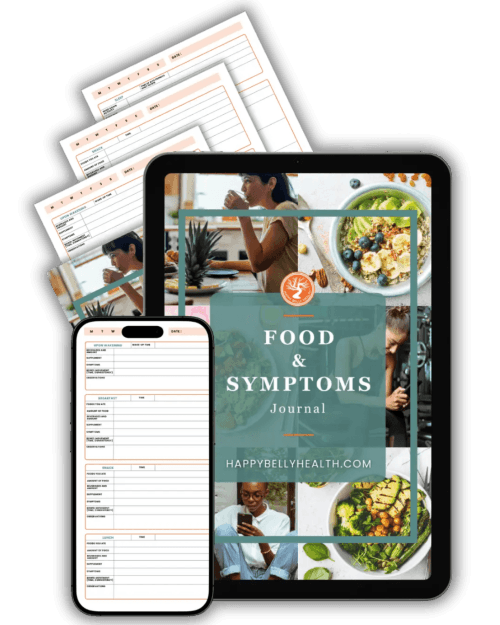
Not sure what’s triggering your symptoms?
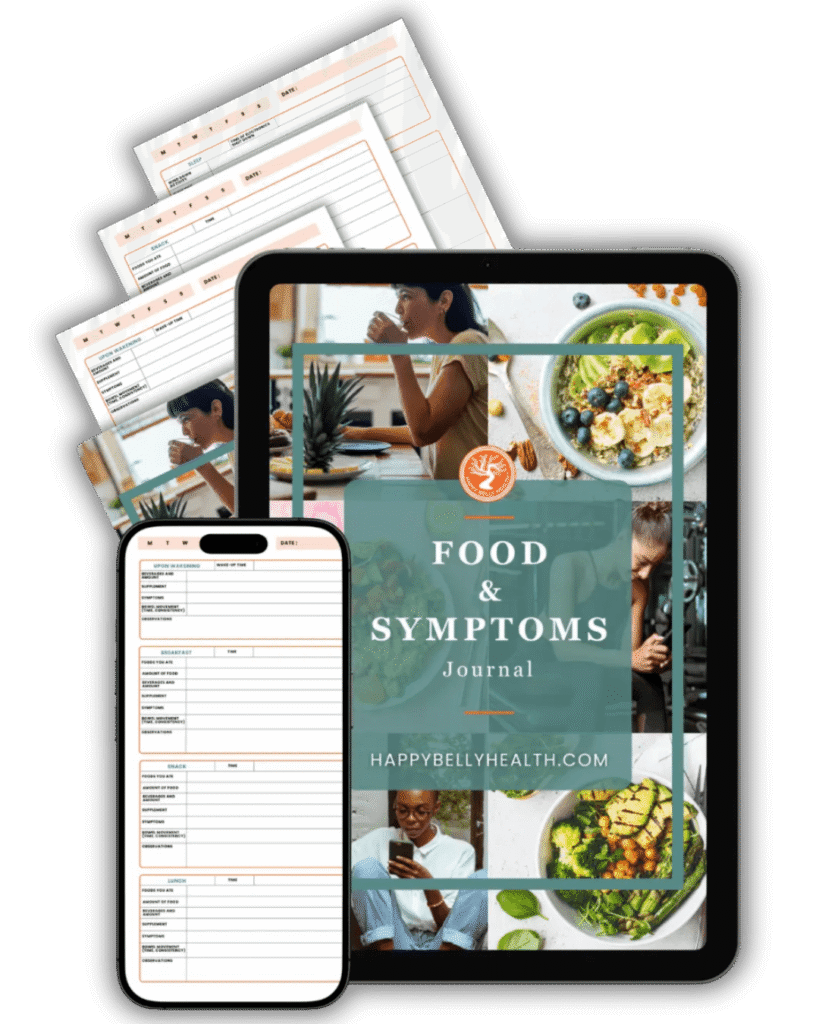
Download the free Food & Symptom Journal and start tracking food, digestion, energy, bloating, cravings, and patterns in just 5 minutes a day.
Root Causes of Acid Reflux
Under-Chewing
- Chew Thoroughly: Chew food until it’s mostly liquid to reduce stomach work. Pair these habits with nutrient-rich meals from our Digestion-Friendly Recipe Bundle
to further support digestion and reduce reflux symptoms - Eating Hygiene: Make mealtime a form of self-care by chewing 20-30 times per bite.
- Chew Thoroughly: Chew food until it’s mostly liquid to reduce stomach work. Pair these habits with nutrient-rich meals from our Digestion-Friendly Recipe Bundle
Hydrating During Mealtimes
- Avoid Excessive Liquids: Too much water dilutes stomach acid, leading to belching and bloating.
- Recommendation: Drink small amounts (e.g., 8 oz) during meals, and stay hydrated between meals.
Meal Size
- Eat Smaller, More Frequent Meals: Large meals can stretch the stomach and trigger reflux.
- Frequency: Eat small meals every 3-4 hours and stop eating when 80% full.
Restrictive Clothing
- Wear Loose Clothing: Avoid tight belts or waistbands that put pressure on your digestive organs.
Magnesium Deficiency
- Address Magnesium Needs: Magnesium helps prevent muscle spasms, including in the LES.
- Forms to Consider: Magnesium glycinate or citrate.
- Food Triggers
- Identify Irritants: Common triggers include cooked tomato sauce, citrus, coffee, black tea, soda, alcohol, spicy foods, fried foods, chocolate, and mint. To help plan meals that support your gut and minimize reflux, check out our Digestion-Friendly Recipe Bundle
- Eating Before Bedtime
- Avoid Late Meals: Reflux is worse at night. Eat 2-3 hours before bed with an empty stomach.
- Fight-or-Flight Mode
- Manage Stress: Chronic stress affects digestion. Practice relaxation techniques before and after meals.
- Medication Triggers
- Be Aware: Some medications, such as nitrates and anticholinergics, can trigger reflux.
- Identify Sensitivities: Dairy and other foods might trigger reflux. Consider an elimination diet to find your triggers.Food Sensitivities
If All Else Fails
- Rule Out Other Issues: Consult your doctor about conditions like hiatal hernia or H. Pylori bacterial overgrowth.
- Avoid Long-Term PPI Use: PPIs can impair nutrient absorption and may lead to other health issues. Gradual reduction is recommended, with support from targeted supplements.