
What Is Bone Broth?
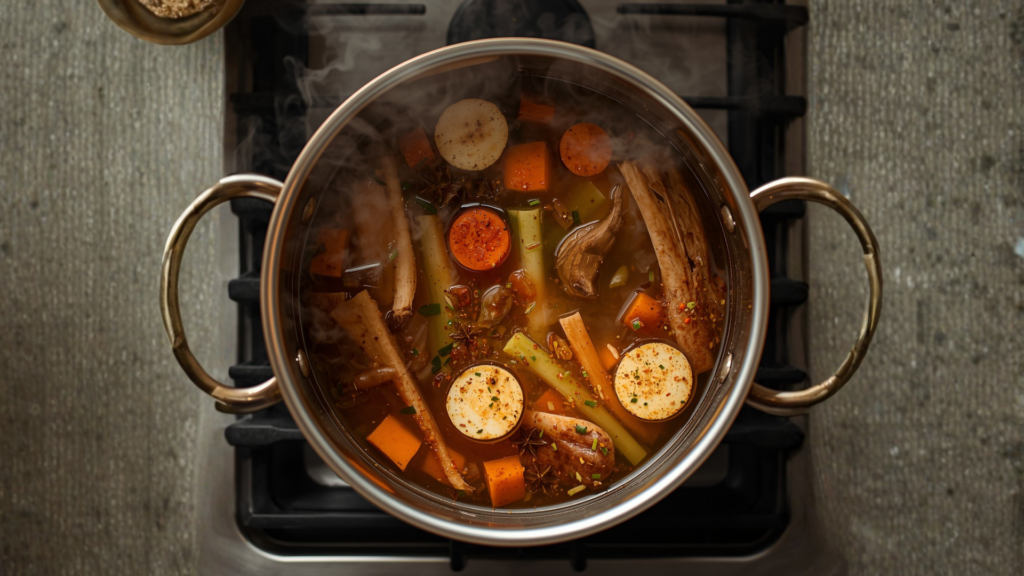
Bone broth is made by simmering bones, vegetables, and herbs in water for an extended period of time to extract minerals, collagen, and amino acids.
The slow cooking process allows nutrients stored in the bones and connective tissues to release into the broth, creating a nutrient-dense base for soups, stews, or even a warm drink.
Bone broth typically contains:
- Collagen and gelatin, which support connective tissue
- Amino acids such as glycine and proline
- Minerals like calcium, magnesium, and phosphorus
- Compounds that support digestive health
Traditional food cultures have long valued broth as a foundational food, which is explored in the article Broth is Beautiful.
Choosing the Best Bones for Bone Broth
The quality of your bones makes a big difference. Whenever possible, choose grass-fed, pasture-raised, or wild-caught meats. These tend to have better nutrient profiles and fewer contaminants.
After cooking meals that include bones, you can save them to make broth later.
If you’re looking for inspiration for cooking bone-in meats, explore this collection: Meaty Ideas
Below are some great recipes that provide delicious meals and leftover bones for broth.
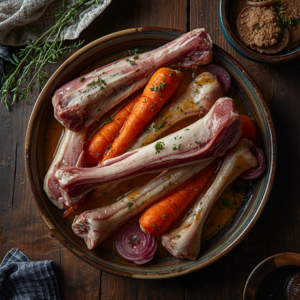
Beef
Chicken
Fish
Lamb
Pork
Turkey
Simple Bone Broth Recipe
Once you have your bones ready, making bone broth is very straightforward.
Ingredients
2–3 pounds bones (beef, chicken, turkey, or lamb)- 10–12 cups filtered water
- 1–2 tablespoons apple cider vinegar
- 1 onion, chopped
- 2 carrots, chopped
- 2 celery stalks
- 2 cloves garlic
- Sea salt to taste
- Optional herbs: thyme, parsley, bay leaf
Instructions
- Place the bones in a large pot or slow cooker.
- Add vegetables, herbs, and vinegar.
- Cover everything with filtered water.
- Bring to a boil, then reduce to a gentle simmer.
- Cook for:
- Chicken bones: 12–24 hours
- Beef bones: 24–48 hours
- Skim off any foam that rises to the surface.
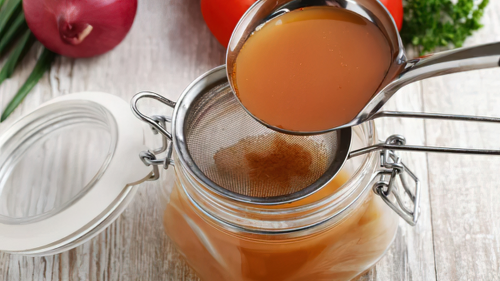
- Strain the broth and discard the solids.
- Allow the broth to cool before storing.
If your broth becomes slightly gelatinous when refrigerated, that’s a good sign. It means collagen has been extracted from the bones.
If you’re working on healing digestion and want help creating a personalized nutrition strategy, professional guidance can make the process much easier.
How to Store Bone Broth
Bone broth stores very well and can be used throughout the week.
Storage tips:
- Refrigerator: up to 5 days
- Freezer: up to 6 months
- Freeze in glass jars or silicone molds for convenient portions.
You can use bone broth in soups, sauces, stews, or drink it warm as a nourishing beverage.
Don’t Have Time to Make Bone Broth?
If you’re too busy to cook but still want the benefits of organic bone broth, you can purchase a high-quality option from The Flavor Chef.
And if you’re looking for deeper support for gut health, digestion, or inflammation, working one-on-one can help you get a personalized plan.