Understanding Iron and Anemia: Nutritional Tips from Happy Belly Health
Hi there,
Shanti here, functional medicine coach and owner of Happy Belly Health.
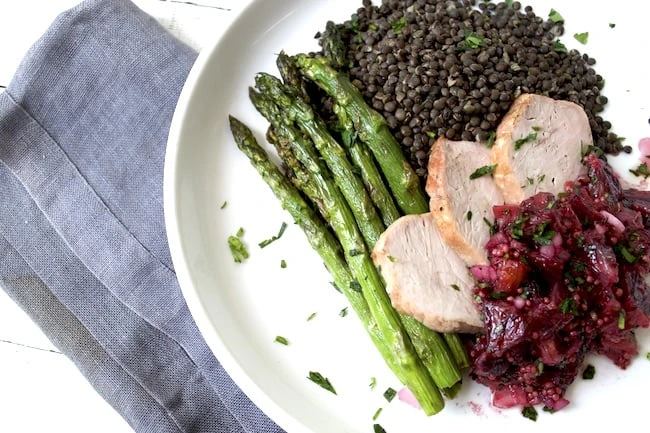
This week’s menu at Luke’s Local has me drooling. Roasted pork with blood orange sounds delicious! Beyond the taste, this meal is a wonderful example of good food choices for anyone prone to anemia or low iron levels. Plus, it shows how small changes in what we eat can make a big difference in how we feel. Let’s explore how the right foods for anemia and low iron can help restore balance, boost energy, and support your body’s natural vitality.
If you want to understand more about how iron supports energy, check out this Harvard Health overview on iron deficiency.
Let’s explore how the right foods for anemia and low iron can help you feel stronger and more nourished every day.
What Is Anemia and Why Good Food Choices Matter
Anemia is a common condition where the body lacks enough healthy red blood cells to carry oxygen efficiently. As a result, your energy levels may drop and everyday tasks can start to feel harder. Before turning to iron supplements, which can sometimes cause discomfort or constipation, it’s often better to start by improving how your body absorbs iron from food.
Common causes include:
- Blood loss
- Poor absorption due to low stomach acid
- Deficiency in vitamin B12 and folate, which help red blood cells circulate properly
By understanding these root causes, you can make good food choices that naturally strengthen your energy, circulation, and overall well-being.
The Role of Iron and Good Food Choices in Your Body
Iron is essential for transporting oxygen throughout the body. Without enough of it, your cells can’t get the oxygen they need, leaving you tired and lightheaded.
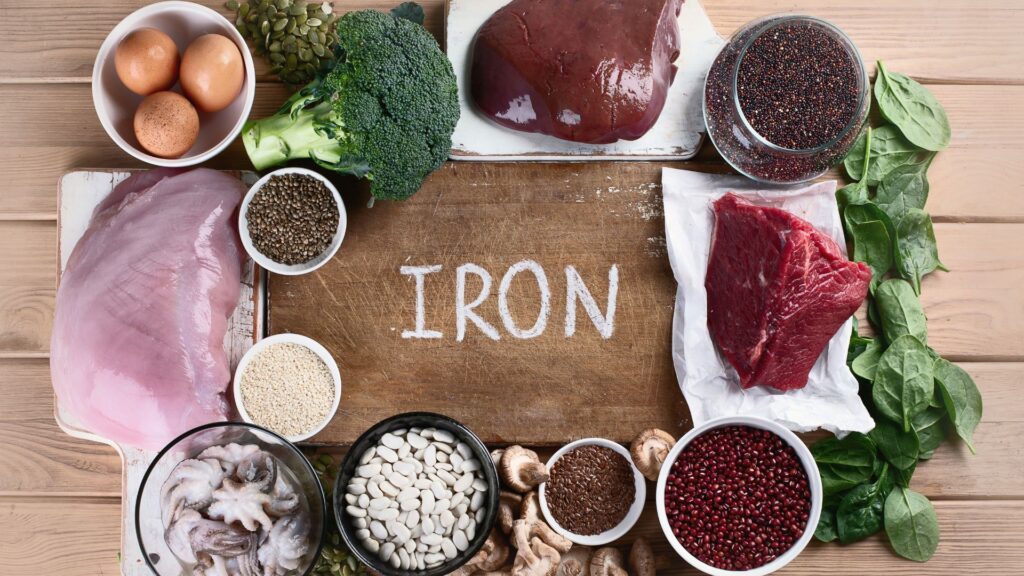
There are two main types of foods for anemia and low iron:
- Heme Iron: Found in animal proteins like shellfish, chicken, and beef. It’s easily absorbed by the body.
- Non-Heme Iron: Found in plant-based sources like spinach, beans, and lentils. Though less readily absorbed, you can still maintain healthy levels with the right food combinations.
To learn more about iron sources and how much you need, visit the National Institutes of Health’s Iron Fact Sheet
Making good food choices means including both types in your diet and pairing them wisely for better absorption.
Boosting Iron Absorption Naturally
To make the most of your meals, pair iron-rich foods with ingredients high in vitamin C. In addition, this simple step helps your body absorb iron more efficiently and supports digestion.
Try these simple combinations:
- Add a squeeze of lemon over sautéed spinach.
- Pair steak with a fresh citrus salad.
- Enjoy roasted vegetables with slices of blood orange for color, flavor, and enhanced absorption.
Vitamin C not only supports iron absorption, it brightens your plate and uplifts your senses. For gentle, digestion-friendly recipes, explore our Digestion-Friendly Recipe Bundle
Smart Food Pairings to Support Iron Levels
Iron and calcium compete for absorption in your digestive tract. Therefore, if you’re trying to increase iron, it’s best to avoid eating high-iron meals alongside dairy, nuts, or seeds. Instead, enjoy these foods at different times of the day.
These mindful combinations are simple good food choices that help your body absorb nutrients more effectively and keep your energy steady.
Nourish Your Energy, One Meal at a Time
Supporting your iron levels doesn’t have to be complicated. Each meal is a small act of care — a chance to nourish your body with balance and awareness.
Choosing wholesome, nutrient-rich foods for anemia and low iron can help you feel more grounded, clear, and energized.
For more delicious inspiration, visit our Digestion-Friendly Recipe Bundle — it’s filled with easy, functional recipes to help you thrive.