If you’re looking to naturally support your body’s detox pathways and improve digestion, adding more cruciferous vegetables is a powerful place to start. And if you want guidance tailored to your body, you can
What Are Cruciferous Vegetables?
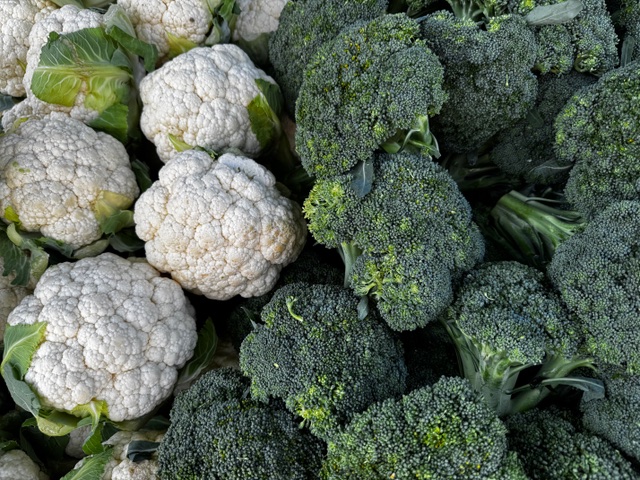
Cruciferous vegetables are a powerful group of plants rich in fiber, vitamins, and minerals. In addition, they contain beneficial compounds like indole-3-carbinol (I3C) and other phytonutrients that support overall health.
These compounds help the body metabolize estrogen more efficiently. As a result, they may reduce the risk of estrogen-driven conditions while also supporting liver detoxification pathways.
Moreover, when you chop or chew these vegetables, they release bioactive compounds that enhance their health benefits. Because of this, how you prepare them matters.
How Cruciferous Vegetables Support Detox & Hormones
Cruciferous vegetables play an important role in natural detoxification. Specifically, they support the liver, your body’s primary detox organ.
For example:
- They help activate detox enzymes in the liver
- They assist in eliminating excess hormones
- They provide antioxidants that protect cells
According to research published on PubMed, compounds found in cruciferous vegetables may help regulate estrogen metabolism and reduce cancer risk.
Additionally, studies from the NIH highlight their role in supporting detoxification pathways and reducing oxidative stress.
If you’re dealing with hormone imbalance or digestive issues, getting personalized support can make a big difference. You can! 👉 Schedule a Gut Health Consultation here:
Best Ways to Prepare Cruciferous Vegetables
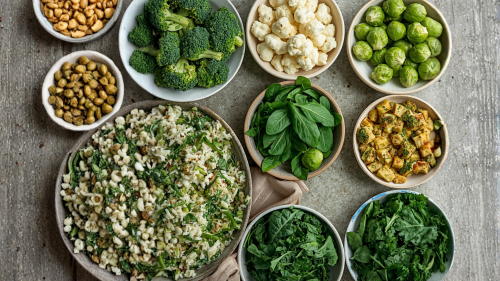
To get the most nutrients from cruciferous vegetables, preparation is key.
Best cooking methods:
- Eat raw in salads or juices
- Lightly sauté or stir-fry
- Steam gently
- Roast at moderate temperatures
However, avoid microwaving vegetables in plastic bags. This process may reduce nutrient content and introduce harmful compounds.
List of Cruciferous Vegetables to Add to Your Diet
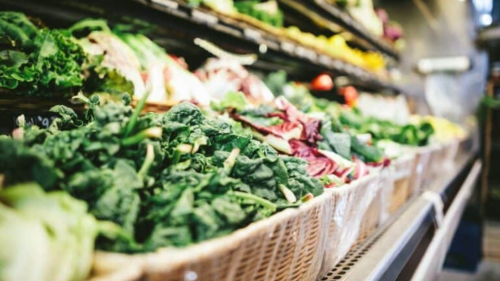
Adding variety is essential. Therefore, try rotating different types of cruciferous vegetables each week.
Popular options include:
- arugula
- bok choy
- broccoflower
- broccoli, greens and sprouts
- brussels sprout
- cabbage
- cauliflower
- chinese broccoli (kai-lan)
- chinese cabbage
- collard greens
- daikon
- flowering cabbage
- garden cress
- horseradish
- kale (green, red, lacinto, etc)
- kohlrabi
- komatsuna
- mizuna
- mustard cabbage
- mustard seeds
- black mustard seeds
- brown mustard seeds
- greens mustard seeds
- napa cabbage
- radish, greens and sprouts
- rapini (broccoli rabe)
- real wasabi
- rutabaga
- siberian kale
- tatsoi
- turnip root
- greens watercress
Easy Ways to Add Cruciferous Vegetables to Meals
If you’re not used to eating these vegetables, start simple.
Try these ideas:
- Add kale or arugula to smoothies
- Toss broccoli into stir-fries
- Use cabbage in slaws or salads
- Add sprouts to sandwiches
- Roast cauliflower as a side dish
Check out our cruciferous recipes on our website here:
👉 Explore Cruciferous Vegetable Recipes
You can also explore more inspiration on Pinterest:
👉 Cauliflower Love Board
👉 Cruciferous Veg Love Board
For even more digestion-friendly meal ideas, explore our recipe bundle here:
👉 Digestion-Friendly Recipe Bundle
Why You Should Eat More Cruciferous Vegetables
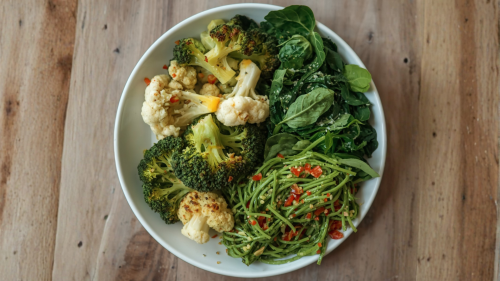
Ultimately, the key is consistency. The more regularly you include cruciferous vegetables in your diet, the more benefits you’ll experience.
They are simple, affordable, and incredibly powerful for:
- Gut health
- Hormone balance
- Detox support
- Long-term wellness
If you’re ready to take the next step and personalize your nutrition, you can: