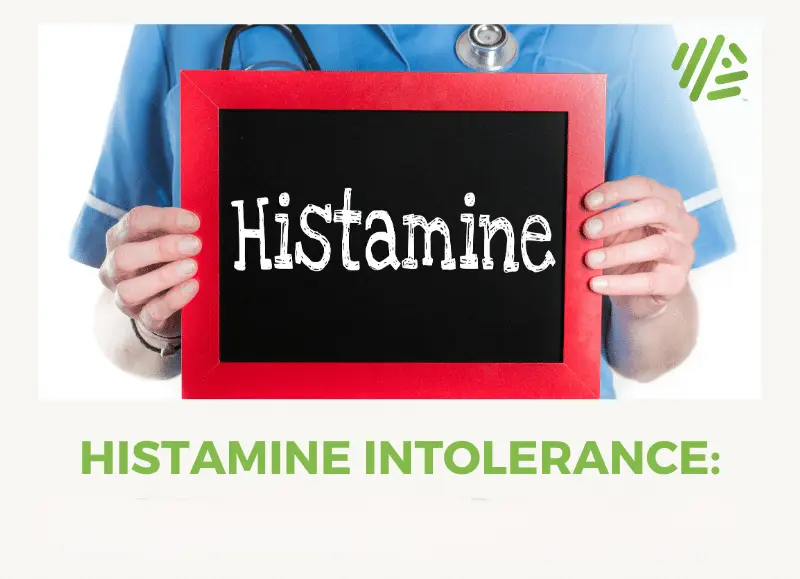
Many people experience unexplained reactions like headaches, skin flushing, digestive upset, or congestion without realizing these may be histamine intolerance symptoms. Histamine plays an important role in immune function, but when the body cannot properly break it down, symptoms can begin to appear.
Understanding how histamine works — and why it builds up — is the first step toward identifying whether histamine intolerance may be affecting you.
Histamine as an Inflammatory Mediator
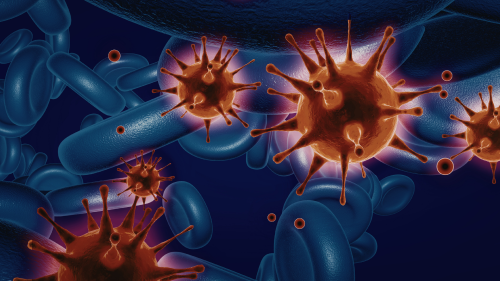
Histamine is an inflammatory messenger that helps the immune system respond to infections, allergens, and perceived threats. When released, capillaries widen and become more permeable so white blood cells can reach affected tissues.
In a healthy system, this process protects the body. However, when histamine levels stay elevated or clearance is impaired, this same response can drive uncomfortable histamine intolerance symptoms.
What Is Histamine Intolerance?
Histamine intolerance occurs when histamine accumulates faster than the body can break it down.
Histamine enters the body from two primary sources:
External Sources
- Foods high in histamine
- Fermented or aged products
Internal Sources
- Immune responses to stressors
- Gut microbes that naturally produce histamine
In a balanced body, enzymes regulate histamine levels effectively.
- DAO (diamine oxidase) helps break down histamine from food in the gut
- HNMT (histamine N-methyltransferase) manages histamine inside cells
Both systems depend on adequate nutrients, including B vitamins, minerals, and proper methylation support. Low Vitamin D or zinc may also contribute to immune imbalance and worsen histamine intolerance symptoms.
How to Identify Histamine Intolerance Symptoms
There is no single test that definitively diagnoses histamine intolerance. However, doctors may measure total IgE antibodies to assess immune readiness to release histamine.
Histamine intolerance may stem from:
- Excessive histamine release (strong sensitivity)
- Reduced detoxification ability
- Gradual histamine buildup over time
Because testing is limited, many practitioners rely on dietary trials to evaluate symptoms.
Trying a Low-Histamine Diet
A short elimination trial can help determine whether histamine contributes to your symptoms.
Simple Two-Week Trial
- Follow a low-histamine diet for two weeks
- Consider DAO supplements with meals
- Aim for about 85% adherence for valid results
If histamine intolerance is present, noticeable symptom relief often occurs within this period.
For more guidance on managing food reactions, see our Free Guide to Food Allergies and Sensitivities.
Not sure what’s triggering your symptoms?
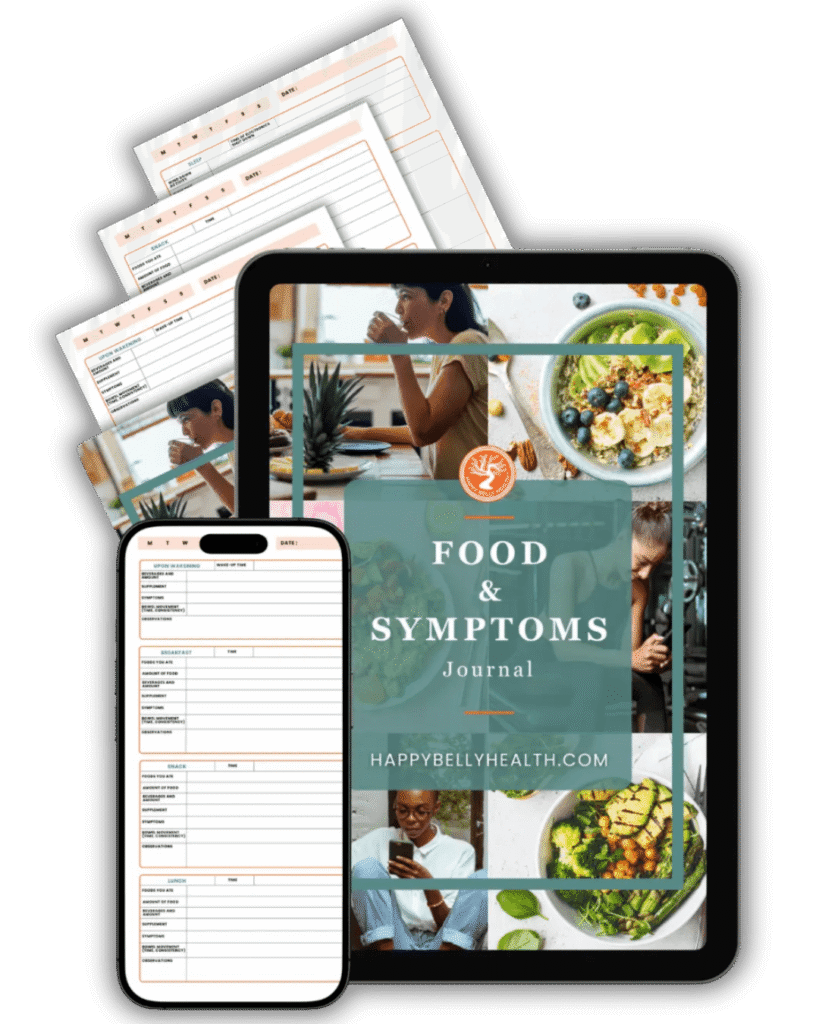
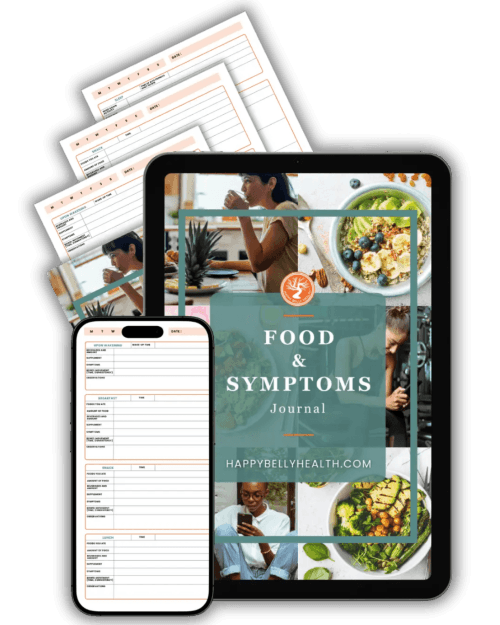
Download the free Food & Symptom Journal and start tracking food, digestion, energy, bloating, cravings, and patterns in just 5 minutes a day.
Foods That May Trigger Histamine Intolerance Symptoms
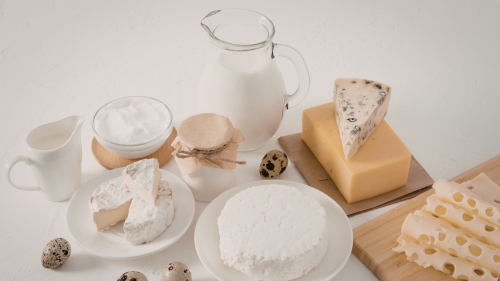
Foods High in Histamine
- Aged cheeses and dairy products
- Processed meats
- Beer and wine (especially red wine)
- Yeast-containing foods like bread
- Fermented or cultured foods
- Vinegar-based foods
- Anchovies
- Avocado
- Canned fish such as sardines
Foods That Trigger Histamine Release
Some foods don’t contain much histamine but encourage the body to release it:
- Chocolate
- Eggs
- Bananas
High-protein diets may also increase histamine production because the amino acid histidine converts into histamine in the body.
Root Causes of Histamine Intolerance

Histamine overload rarely has just one cause. More often, several factors combine.
Common contributors include:
- Low adrenal function
- Gut dysbiosis or microbial imbalance
- Excess protein intake
- Low Vitamin D, zinc, copper, or B vitamins
- Environmental toxin exposure
- Chronic stress or sleep deprivation
- Chronic, long-term use of antihistamine drugs (which can increase sensitivity)
Some people also have genetic predispositions that affect DAO production, methylation, or HNMT activity. Targeted nutrition and supplementation can often help compensate for these genetic tendencies.
When to Seek Personalized Support
If histamine intolerance symptoms affect your digestion, skin, energy, or immune responses, a personalized plan can help you identify triggers and restore balance faster.
You can schedule a nutrition consultation to explore whether histamine intolerance may be part of your health picture.